Your Reliable Building Expert for Quality House Upgrades
A reputable general contractor plays an vital part in home improvement projects. Their knowledge guarantees projects are completed with precision and care. By emphasizing premium supplies and craftsmanship, they improve both appearance and value. Open communication and careful planning are critical for a seamless experience. However, many property owners miss key factors when selecting a builder. Understanding what to prioritize can make all the difference in attaining a successful renovation. What should residents think about first?
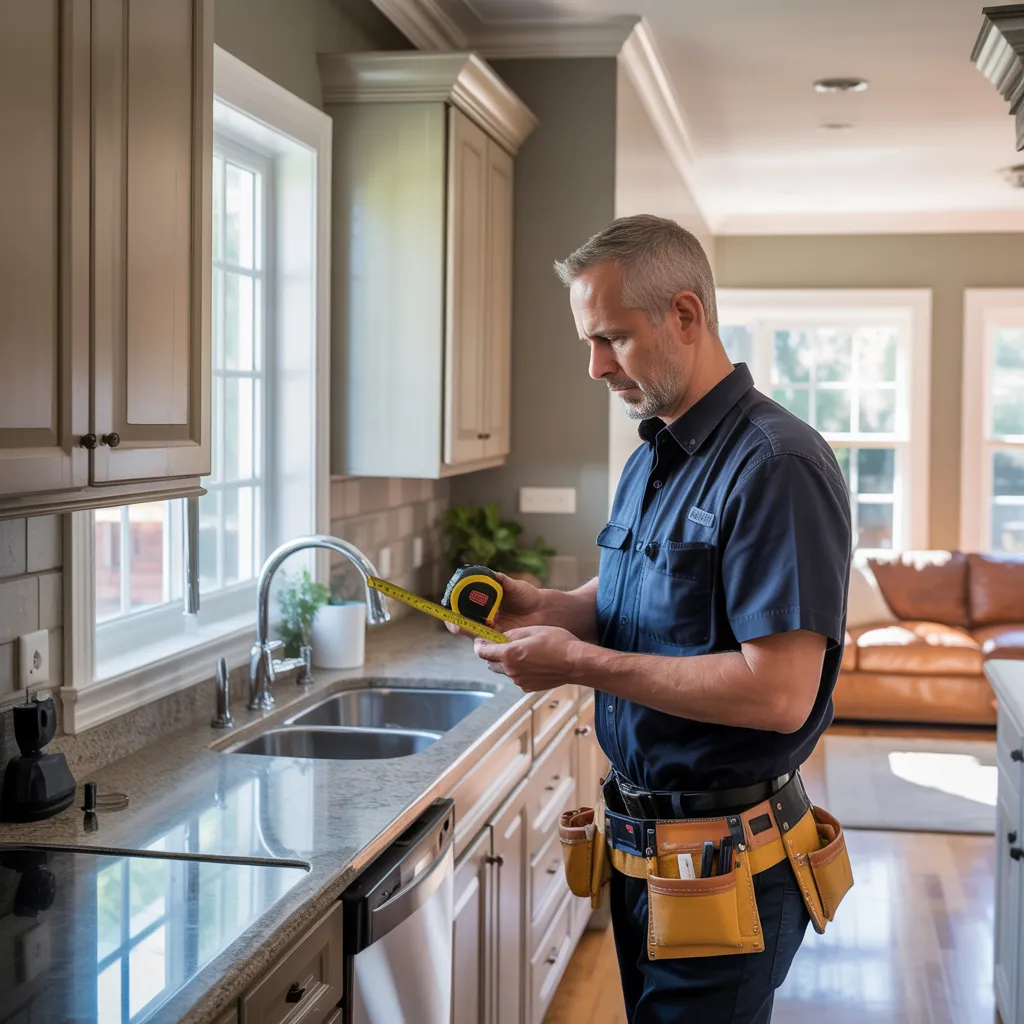
Things to Evaluate When Choosing a Reputable General Contractor
When beginning a home improvement project, how can one guarantee they choose a reliable general contractor? First, people should request recommendations from loved ones, acquaintances, or web-based testimonials to find potential candidates. It is crucial to confirm credentials, including permits and coverage, making sure the contractor meets local regulations. Next, reviewing past work through portfolios or references offers insights into the contractor's craftsmanship and reliability.
Additionally, collecting multiple quotations can help you assess reasonable pricing and construction schedules. Conversational abilities are equally critical; a contractor needs to be approachable and responsive to inquiries. In addition, a solid contract laying out project scope, timelines, and payment schedules protects both involved parties. Ultimately, trust instincts; if a contractor appears unprofessional or vague, it might suggest future issues. By sticking to these suggestions, homeowners can substantially improve their probability of engaging a trustworthy general contractor, leading to prosperous home improvements.
Why a Local General Contractor Remains Your Best Choice
Selecting a area general contractor can meaningfully strengthen the success of home improvement projects. Territory contractors possess valuable familiarity of the area, including construction regulations, regulations, and zoning laws, ensuring observance and efficiency. Their developed ties with providers and subcontractors can enable competitive rates and ready availability to materials and skilled labor.
In addition, area contractors regularly copyright a standard to maintain in the region, prompting them to deliver premium work. This sense of accountability cultivates trust and confidence among homeowners.
Furthermore, being in close proximity encourages better interaction and quicker response, which can be paramount during a project. Homeowners can also gather referrals from neighbors or friends who have worked with previously the contractor, providing peace of mind. Overall, choosing a local general contractor not only bolsters the community but also enhances the overall quality and experience of home improvement activities.
Navigate Your Home Improvement Adventure with This Step-by-Step Tutorial
Starting a home renovation undertaking requires thorough preparation and execution. Creating a project schedule is essential to guarantee that tasks are completed efficiently, while selecting high-quality materials can significantly influence the project outcome. This guide will detail these crucial steps to help homeowners navigate their improvement journey effectively.
Planning Your Project Schedule
An structured project timeline is vital for effective home improvements, making sure that each phase is handled efficiently. Initially, homeowners should outline the project's scope, setting defined goals and expected outcomes. Following that, they should consult with their general contractor to set a feasible timeframe considering the project's complexity and necessary tasks. Dividing the project into smaller phases enables improved tracking and adjustments when needed. It's also important to anticipate potential delays, like weather conditions or supply chain issues, which could delay the schedule. Regular meetings with the contractor help maintain momentum. Ultimately, having a clear timeline supports communication and sets expectations, resulting in a easier home improvement experience.
Obtaining Premium Materials
Emphasizing on quality goods greatly determines the end result of home renovation projects. Initially, homeowners should assess the particular needs of their project, weighing factors such as durability, visual quality, and budget. Looking into various material options is crucial; this includes understanding the benefits and disadvantages of each. Engaging with consultants can furnish valuable insights on reliable brands and suppliers.
Next, property owners should ask for samples to assess the look and feel of materials firsthand. Comparing prices across various suppliers can help guarantee competitive pricing without compromising quality. Finally, confirming that materials comply with local building codes is essential for safety and compliance. By thoughtfully selecting materials, homeowners can improve both the durability and aesthetic value of their renovations, finally increasing the worth to their property.
Communicate Your Vision Like a Pro
Successful home improvements often depend on the ability to communicate a precise vision. Homeowners should articulate their thoughts, preferences, and expectations, ensuring that they express their preferences proficiently to their general contractor. A clearly-articulated vision not only facilitates in coordinating the contractor's proposals with the homeowner's aims but also expedites the decision-making process.
Visual assets such as design sketches and inspiration collections can significantly boost understanding. They deliver a concrete visual that shows design direction, color palettes, and spatial preferences. In addition, participating in open dialogue supports teamwork, permitting the contractor to pose clarifying questions and offer insights.
Setting practical timelines and allocations is equally important. Homeowners should be equipped to discuss parameters candidly to avoid miscommunications later. To sum up, sharing a vision with clarity and confidence strengthens both parties, paving the way for successful project implementation and pleasing results in home improvement ventures.
The Significance of High-Grade Materials and Skilled Workmanship
For building projects, selecting durable materials has a major impact on a project's endurance and functionality. Equally significant is professional skill, which makes certain materials are applied efficiently. Side by side, superior materials and professional expertise create results that prove lasting.
Durable Material Picking
A deliberate assortment of robust materials can significantly influence the lifespan and visual appeal of home improvements. High-quality materials not only enhance the aesthetic value of a space but also confirm that renovations resist the test of time. Homeowners should prioritize materials with established longevity, such as hardwood, stone, and high-grade metals, which defend against wear and tear and environmental damage. Additionally, selecting materials appropriate for the local climate can prevent issues like rot or corrosion. Spending in long-lasting options may require a higher upfront cost, but the long-term benefits—fewer repairs and replacements—make it a wise choice. Ultimately, the right materials add to a home's value and overall satisfaction for years to come.
Skilled Workmanship: The Importance
Quality craftsmanship plays an essential role in the success of residential renovations, complementing the picking of long-lasting materials. Skilled artisans assure that every facet of a project is executed with care, see information on this boosting both functionality and visual design. Detailed focus in construction, from framing to finishing touches, plays a major role to the extended life and performance of home features. Quality skilled labor not only indicates a devotion to excellence but also shields from future issues, such as structural problems or aesthetic flaws. Additionally, seasoned builders know the nuances of various materials, confirming they are put to use effectively. Ultimately, paying for skilled skilled labor leads to a more satisfying and permanent result, raising the overall value of the home and the homeowner's experience.
Common Renovation Mistakes and How to Avoid Them
Many property owners encounter challenges during remodeling that can lead to expensive setbacks and disappointment. One common error is undervaluing the budget. Without a comprehensive financial plan, unexpected expenses can quickly emerge, jeopardizing the project. Additionally, failing to obtain required licenses can lead to penalties and project halts, hindering the remodeling process.
A common mistake involves rushing the process of making decisions. Quick decisions regarding layout and design may result in disappointment later. Homeowners frequently neglect the significance of employing skilled professionals, which can compromise the quality of work and safety standards.
At last, poor dialogue with contractors can produce confusion and letdowns. To avert these problems, homeowners should emphasize meticulous planning, obtain the required permits, engage proficient professionals, and keep constant communication throughout the remodeling process. By tackling these prevalent mistakes, homeowners can deliver a more satisfying and seamless renovation outcome.
What Materials Should You Pick for Your Upgrade?
How can property owners guarantee they choose appropriate products for their renovation projects? To start, they should assess the specific needs of the space, considering factors such as performance, aesthetics, and longevity. Researching different options is vital; homeowners should analyze options based on their appropriateness for the intended use and local climate conditions.
Engaging a trusted general contractor can supply expert knowledge into material choices, making sure that choices fit both budget and design goals. Moreover, homeowners should focus on sustainability by examining eco-friendly materials that lessen environmental impact.
Ultimately, assessing specimens can assist in making informed decisions, enabling homeowners to imagine how materials will look and feel in their environment. By adhering to these guidelines, property owners can securely select materials that enhance their renovation while ensuring durability and lasting value.
Commonly Sought Questions
How Should I Confirm a Contractor Certifications and Insurance?
To validate a contractor's credentials and coverage, one can examine state regulatory agencies and insurers. Additionally, obtaining documentation of licenses and insurance straight from the contractor guarantees authenticity and adherence to regulatory requirements.
What Is the Typical Timeframe for Residential Renovation Initiatives?
The standard schedule for home improvement projects differs, often ranging from a few weeks to several months, depending on the complexity of the project, size, and required permits. Communication with the construction professional can help determine a more accurate schedule.
Can I Stay in My Home During the Renovation Project?
Yes, a person can stay in a home during renovations, though it often is contingent on the scope of work. Partial renovations may allow continued habitation, while substantial work might require temporary relocation for comfort and health.
Which Ways to Pay Do Contractors Generally Accept?
Contractors typically accept a range of payment options, including cash, checks, credit cards, and digital payment platforms. Some may also provide financing options, allowing clients versatility in handling renovation costs and payment schedules.
What's the Right Approach to Resolve Issues With My Contractor?
To work out conflicts with a contractor, one should engage in clear dialogue, log every contact, and aim for resolution through negotiation. If not resolved, mediation services or court action may be needed to maintain one's interests well.